Learn about banned dog breeds in India with pictures and reasons for the ban. Explore the top dangerous breeds prohibited in India and the latest updates on dog breed regulations.
Dog ownership is a responsibility that requires understanding a breed’s temperament, behavior, and legality. In India, certain dog breeds are restricted due to their aggressive nature, risk to public safety, or challenges in proper care. This comprehensive guide will cover banned dog breeds in India, their characteristics, reasons for the ban, and alternatives for pet enthusiasts.
Understanding Dog Breed Bans in India
While no nationwide legislation explicitly bans specific breeds, local laws and housing society rules often restrict certain dangerous dog breeds in India. These bans aim to reduce risks associated with breeds known for aggressive behavior or requiring specialized training and care.
Top 10 Banned Dog Breeds in India
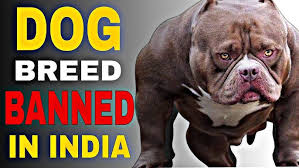
1. Pit Bull
- Why Banned: Known for their aggressive behavior if improperly trained, Pit Bulls are often involved in dangerous incidents.
- Characteristics: Strong, muscular, and highly energetic.
- Special Note: Though banned in many countries, Pit Bulls are still bred illegally in India.
2. Rottweiler
- Why Banned: Highly territorial and protective, Rottweilers can become aggressive without proper training.
- Characteristics: Large build, strong jaws, and a loyal nature.
- Is Rottweiler Banned in India?: Not officially banned but restricted in many residential areas.
3. American Bulldog
- Why Banned: Known for their strength and potential for aggression, especially without proper socialization.
- Characteristics: Muscular and athletic, with a dominant personality.
4. Dogo Argentino
- Why Banned: Bred for hunting large game, these dogs are strong and aggressive, making them unsuitable for inexperienced owners.
- Characteristics: White coat, athletic build, and high prey drive.
5. Boerboel
- Why Banned: These South African Mastiffs are powerful and territorial, posing a danger if not trained correctly.
- Characteristics: Massive size, strong jaws, and a protective nature.
6. Wolf-Dog Hybrids
- Why Banned: As hybrids of wolves and domestic dogs, they retain wild instincts, making them unpredictable.
- Characteristics: Resemblance to wolves, high energy, and pack-oriented behavior.
7. Neapolitan Mastiff
- Why Banned: Their size and territorial instincts make them a risk in urban settings.
- Characteristics: Wrinkled skin, imposing size, and a protective demeanor.
8. Japanese Tosa
- Why Banned: Traditionally bred for dog fighting, they are known for their aggressive tendencies.
- Characteristics: Large, muscular, and quiet but potentially dangerous.
9. Bandog
- Why Banned: A mix of mastiffs and bulldogs, Bandogs are bred for guarding and can be highly aggressive.
- Characteristics: Strong, loyal, and intimidating.
10. Fila Brasileiro
- Why Banned: Known for their aggressive temperament and mistrust of strangers.
- Characteristics: Large size, strong hunting instincts, and highly protective.
How Many Dog Breeds Are Banned in India?
Although there is no official nationwide list, housing societies and municipal regulations often include these and other breeds in their restrictions. Reports suggest that up to 23 banned dog breeds in India may face legal or societal limitations.
Not Banned Dog Breeds in India
If you’re considering adopting a pet, here are some family-friendly and safe breeds:
- Labrador Retriever
- Golden Retriever
- Beagle
- Pug
- Indian Pariah Dog (Desi Dog)
- Shih Tzu
These breeds are known for their friendly nature and adaptability to Indian conditions.
Why Are Some Dog Breeds Banned?
Dog breeds are banned for several reasons, including:
- Aggressive Temperament: Breeds like Pit Bulls and Rottweilers have a history of attacks.
- Specialized Training Needs: Some breeds require highly skilled handling, which may not be feasible for all owners.
- Public Safety: Large and powerful breeds can pose risks in densely populated areas.
- Unsuitability for Indian Climate: Breeds like Neapolitan Mastiffs struggle in India’s hot and humid weather.
Legal Implications of Owning Banned Dog Breeds
- Fines and Penalties: Violating local housing society rules can lead to fines or legal action.
- Liability for Damages: Owners can be held responsible for any harm caused by their pets.
- Insurance Issues: Many pet insurance policies exclude coverage for certain breeds.
Are German Shepherds Banned in India?
No, German Shepherds are not banned in India. However, their strong and protective nature requires proper training and socialization to prevent behavioral issues.
Alternatives for Dangerous Dog Breeds
If you’re drawn to strong and protective breeds, consider adopting dogs with similar qualities but lower risks, such as:
- Boxer
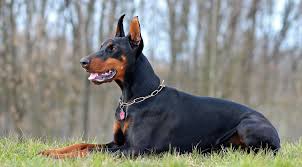
- Doberman Pinscher
- Indian Mastiff
Training and Socialization for High-Risk Breeds
If you already own a restricted or high-risk breed, training and socialization are essential.
- Start Early: Train puppies to be obedient and social.
- Seek Professional Help: Enroll in obedience classes with certified trainers.
- Regular Exercise: Provide sufficient physical and mental stimulation.
- Supervised Interaction: Always monitor interactions with strangers or other pets.
Conclusion
Owning a dog is a rewarding experience, but it comes with responsibilities. Understanding the banned dog breeds in India and their restrictions ensures safety for both owners and the community. If you’re considering adopting a dog, research thoroughly and choose a breed that aligns with your lifestyle, local laws, and the well-being of the animal.
By making informed decisions, you can enjoy the companionship of a pet while ensuring safety and harmony in your neighborhood.